Understanding Ideal Boiler Pressure and How to Maintain It
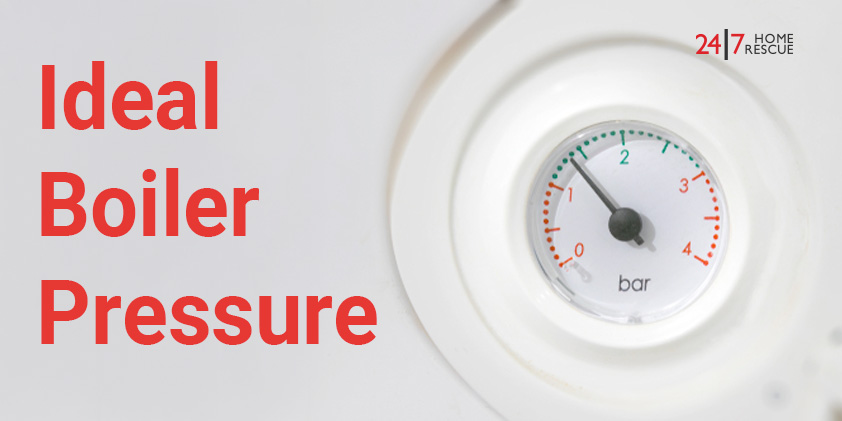
Boiler Pressure is the force of water which circulates through your central heating system. The water pressure in your boiler is measured in bars using a pressure gauge located on the front of your boiler. If the boiler pressure is high, there is a risk of damage to your boiler components. On the other hand, if it’s low, you might not get good heating or hot water. Let’s understand the ideal boiler water pressure for your boiler and what pressure ranges can be a concern.
Key Takeaways
- Ideal boiler pressure is around 1.0-1.5 bar
- A low or high boiler pressure indicates a faulty component or a leak
- A faulty expansion vessel, pressure relief valve or partially open filling loop can increase or decrease your boiler pressure
- An annual boiler service can help you avoid any future pressure losses for your boiler
What is the Ideal Boiler Pressure for your boiler?
In the UK, most boilers work best around 1.0 to 1.5 bar. When the heating is switched on. The water molecules expand, increasing the pressure to between 1.5 and 2.0 bar. This increase is normal, and there’s nothing to worry about.
Keep in mind that the exact pressure readings may vary by boiler manufacturer. However, most boiler manufacturers recommend a pressure of 1 to 1.5 bar. Additionally, many boilers have a dedicated safety mechanism that activates when the pressure reaches around 3 bar.
Why the Boiler Pressure Increases and Decreases
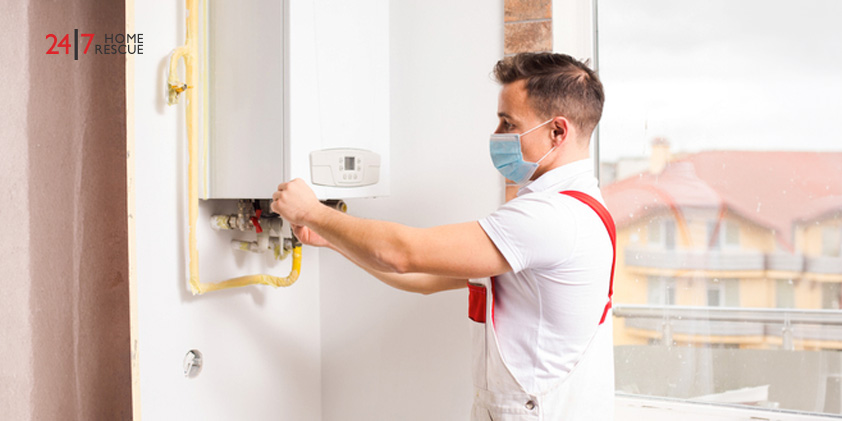
Your boiler’s pressure can increase or decrease for various reasons. While shifts due to heating are normal, other shifts are due to faults. The following are some common causes:
Filling Loop Left Open
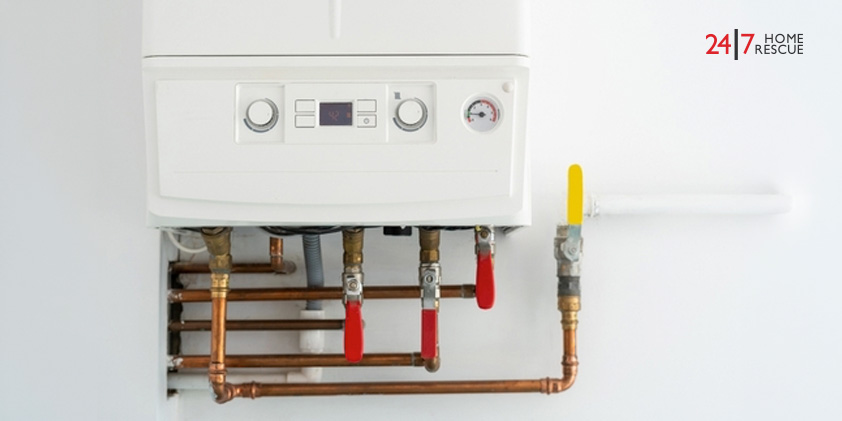
The filling loop is a small tube under your boiler that fills the system water. If the valves are left slightly open, the pressure can increase over time. Homeowners only notice the loop is open when the boiler shuts down or the pressure relief valve activates.
Pressure Relief Valve Fault
The pressure relief valve is responsible for safely releasing excess pressure from your boiler. If this valve becomes faulty or blocked, it may fail to open in time, leading to dangerously high pressure. Furthermore, if the pressure relief valve is leaking or doesn’t seal properly, it can allow water to escape continuously, causing a loss of system pressure.
Expansion Vessel Fault
The expansion vessel is responsible for absorbing extra pressure created when water heats up or expands. If the expansion vessel’s internal diaphragm is faulty or has lost its air charge, it cannot regulate pressure accurately. This causes the pressure to increase when the heating is active and drop significantly when the system cools down. This pressure fluctuation occurs when the expansion vessel is faulty.
Air in the System
Airlocks can disrupt the flow of water inside the radiator and pipes. This happens when you have recently bled your radiators or after a recent boiler service. Air in your boiler system can reduce water circulation, causing the boiler to show inaccurate pressure levels.
Unnoticeable Leaks
Boiler can lose pressure without any evident leaks. These are small leaks from pipes, radiators, or valves can cause pressure loss. As the water escapes from these leaks, homeowners might notice a frequent need to top up the boiler pressure. After some time, these leaks not only reduce the efficiency of your boiler but can also damage components. Try spotting corrosion and damp patches to spot these leaks.
Understand Your Boiler Pressure
If you’re confused about what bar should my boiler pressure gauge show, here’s a table showing different boiler pressure ranges and what they mean.
| Pressure Reading | Meaning | Impact on system |
|---|---|---|
| Below 0.5 bar | Extremely low pressure-the system has lost too much water | The boiler will normally lock out, leaving you with no heating or hot water |
| 0.5-0.9 bar | Low Pressure-the system isn’t operating in the recommended boiler pressure range | Heating is not effective, and the boiler may shut down sometimes |
| 1.0-1.5 bar | Ideal pressure for boiler when the system is cold | The boiler runs efficiently and safely with stable heating and hot water |
| 1.6-2.0 bar | Normal pressure, the heating is on | The system should operate normally, though pressure must not rise much higher |
| 2.1-2.5 bar | Higher than usual- might indicate overfilling or expansion issues | The boiler might start to release excessive pressure through the relief valve |
| 2.6-3.0 bar | Excessive pressure-the system is under too much strain | The pressure relief valve may discharge water, and the boiler might shut down as a safety mechanism. |
Note that if your pressure is outside the normal operating range, the boiler may display error codes and even shut down to protect the system.

Boiler Service
Ensure your boiler runs efficiently and safely with our professional boiler servicing. Regular maintenance will save you money in the long run and potentially prevent breakdowns.
Steps to Increase Boiler Pressure
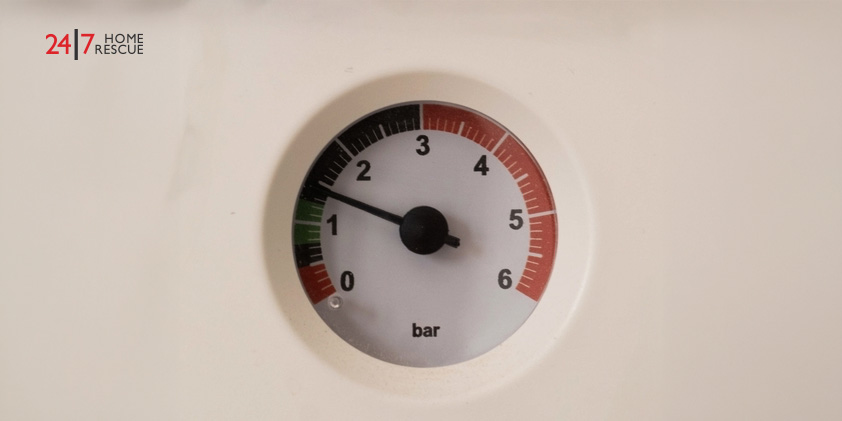
If the pressure is low, you can raise it by using the filling loop. Here’s how to increase your boiler pressure:
- Turn the boiler off and allow it cool down
- The filling loop is located beneath your boiler
- Open the valves slightly until the gauge reaches around 1.2 -1.5 bar
- Close both valves
- Turn on the boiler and check if the pressure gauge remains stable.
If the pressure keeps dropping. It indicates that there is a fault. In this case, it is recommended to avoid topping up the system pressure repeatedly as it can cause corrosion in your system.
Steps to Decrease Boiler Pressure
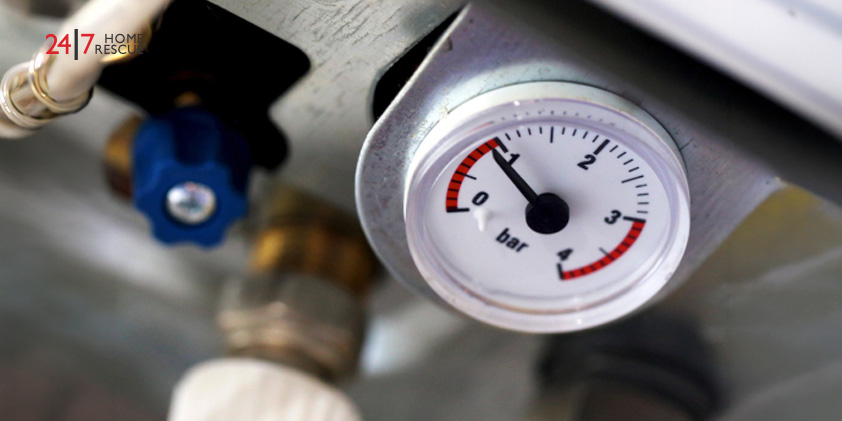
High pressure often indicates accidentally added water to the boiler or a component of fault. You can reduce the pressure of your boiler by bleeding the radiator. Bleeding the radiator will release some amount of water which lowers the system pressure. To bleed your boiler’s radiators, follow the following steps:
- Turn off your boiler
- Loose the bleed valve by using a radiator key
- This removes some amount of water
- Close the valve and notice the pressure gauge readings
- Repeat the process if required
If pressure rises again right after bleeding the radiators, do not repeat this procedure as it indicates a faulty expansion vessel or a pressure relief valve.
When to Contact a Gas Safe Engineer
When opening the boiler and fixing internal components, it is recommended to seek professional help from a gas safe engineer. If your boiler’s pressure problems aren’t solved by topping up pressure or bleeding the radiators, you should seek a professional gas safe engineer.
Call a gas safe engineer when:
- The pressure rises when you switch on the boiler
- The pressure drops consistently on day-to-day basis
- Water leaks from the pressure relief valve
- You notice cold patches on your radiators
- The boiler locks itself due to pressure fluctuations
- The boiler keeps losing pressure
Engineers will notice that if you need to top up your boiler pressure more than once every month, then the system will be inspected for a fault.
The components at fault here normally include the pressure relief valve, expansion vessel and the filling loop if its damaged. Moreover, the engineer will also look for small leaks and make sure that your boiler functions flawlessly.
How to Prevent Future Boiler Pressure Problems
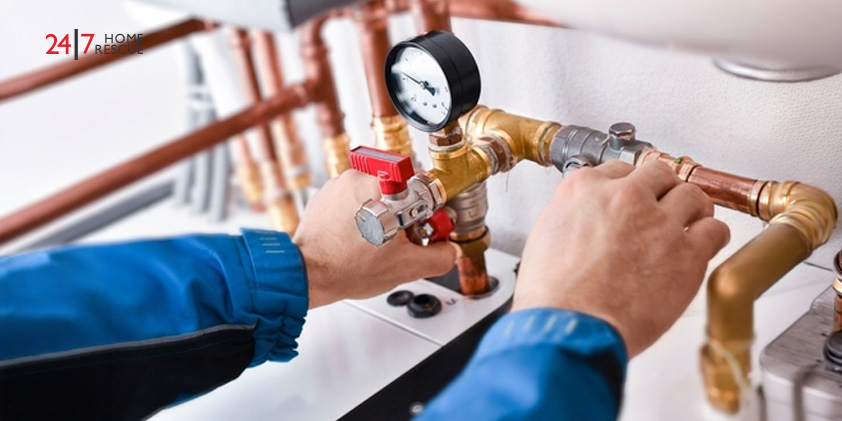
It is important to keep your boiler in perfect condition for keeping its pressure consistent and minimising any chances of boiler breakdown.
Following are some tips to prevent any future boiler breakdown problems:
- Bleeding radiators on time
- Keep your filling loop closed
- Regularly check the filling loop
- Get your boiler annually serviced
An annual boiler service plays a key role in keeping your boiler working in perfect condition. This is because gas safe engineers carefully inspect, service and repair any lingering boiler faults.
Conclusion
Therefore, an ideal combi boiler pressure lies between 1-1.5 bar and if your boiler pressure is either low or high, it indicates a fault. Normally boiler pressure faults are linked with a fault in pressure relief valve, expansion vessel or a filling loop left open. You can avoid these costly boiler repairs with a dedicated boiler cover that protects you during unexpected boiler faults. With a boiler cover, you an annual or monthly fee and get coverage for your central heating system. This includes boiler service, repairs and labour fees.
Boiler Insurance You Can Trust
Get boiler breakdown and landlord cover including free annual boiler service.
Choose your policy type
At 24|7 Home Rescue, we aim to keep our blogs accurate and helpful at the time of publication. However, details such as images, services, or product information may change. Content is for general information only and not professional advice. For the latest updates, please review our Terms & Conditions or contact us directly. 24|7 Home Rescue accepts no liability for actions based on outdated or incomplete content. Our team is always happy to help with any questions.
Recent Posts
27 Aug, 2026

Popular Posts
24 Mar, 2015


13 Apr, 2015
Related Posts