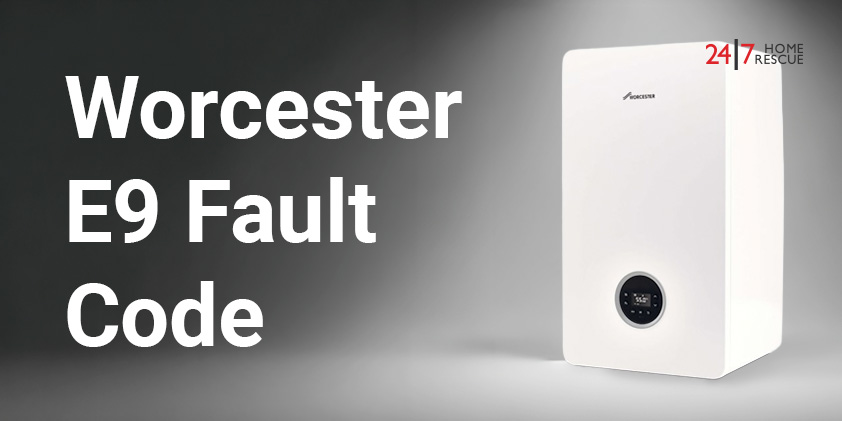
Worcester E9 Fault Code: Overheating and Systems Issues Explained
It can leave homeowners in discomfort when their Worcester boiler suddenly stops working during the colder winter months. Especially when your boiler displays an E9 fault code, which is linked to overheating and temperatures exceeding the system’s designated safety parameters.
This fault code indicates issues such as a malfunctioning safety temperature limiter, a problem with the heat exchanger, or a blocked or faulty pump or a damaged PCB (printed circuit board). To ensure your boiler’s safety and proper function, have this issue resolved by a certified engineer. Let’s understand the Worcester boiler e9 fault code in detail, its symptoms, causes and how to prevent it.
Key Takeaways
- The E9 boiler fault indicates your boiler’s internal temperature exceeding systems designated safety limit
- Your boiler’s components, such as the PCB and safety limiter or circulation pump, might be at fault
- A boiler reset might work if you have recently bled your radiators, or for new boiler models
- A DIY E9 fault code fix is only to be attempted for certain scenarios and a gas safe engineer should diagnose and fix this issue
- Do not attempt to restart the boiler and use it if the code returns
Understanding the Worcester E9 Fault Code
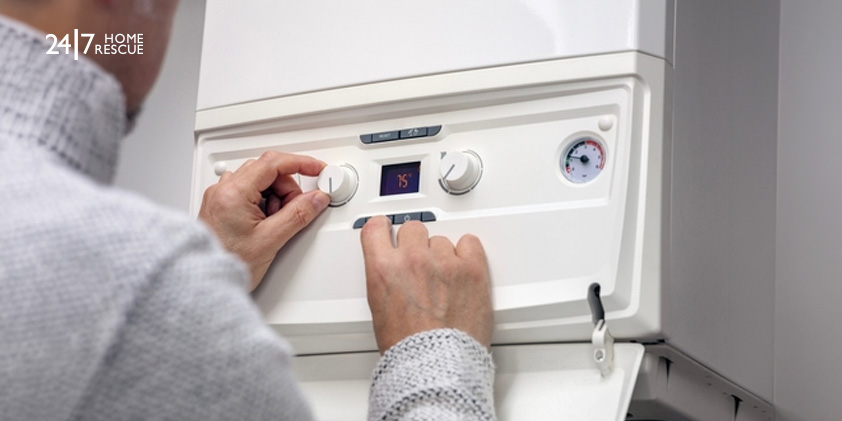
The Worcester E9 error code is specifically linked to your boiler’s temperature sensors and heat exchangers, and to the thermostat exceeding its temperature limit. When this code appears on your Worcester boiler’s control panel, it is often accompanied by a cause code, making it a combination fault code.
There are 4 cause codes linked with the E9 fault code: 219, 220, 221 and 224. Each of these cause codes is linked with a different fault in your boiler. These faults, such as water damage, flue issues, and limescale buildup, can all create unsafe operating conditions.
| Code | Meaning | Probable Cause | Things to Note |
|---|---|---|---|
| 219 | Tripped Safety Temperature Limiter Due to Overheating |
|
Boiler locks out to prevent further damage |
| 220 | CH flow circuit has overheated |
|
This problem is related to poor water flow and causes water to exceed safe temperature |
| 221 | Rapid Temperature Rise (flow/return imbalance) |
|
Significant temperature causes the boiler to trigger a safety shutdown |
| 224 | PCB or sensor inaccuracies causing false overheat signal |
|
This issue requires diagnosis from a certified engineer |
Common Causes of the E9 Fault Code
The following are the common causes of the E9 Fault Code appearing on your Worcester boiler:
Faulty or Stuck Circulation Pump
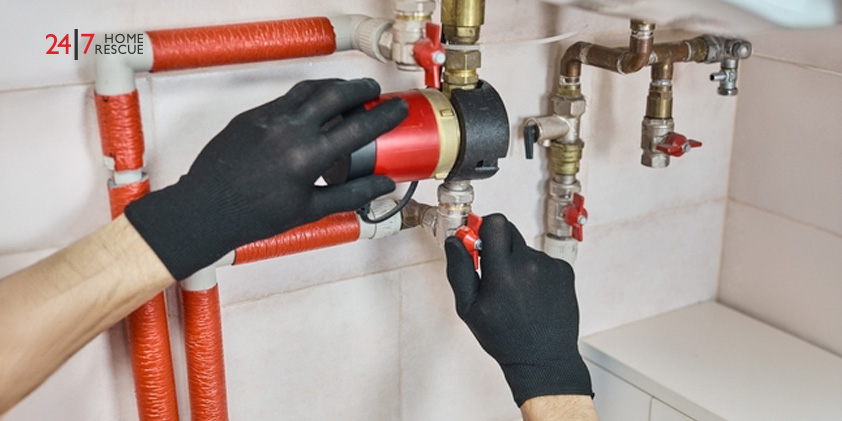
The heated water travelling from the boiler through the radiators is done using the circulation pump. If the pump is stuck, electrically faulty, or worn out, it slows the flow of water. Because the water cannot circulate properly, heat builds up inside the boiler, causing it to overheat and triggering the E9 fault code.
Additionally, the E9 error code can be triggered when the circulation pumps seize after long periods of boiler inactivity. This is something that you will encounter at the start of the winter season when your boiler hasn’t been used during the summer.
To resolve this issue, an engineer can free up a stuck pump or repair it. However, significantly older pumps are usually better replaced for efficient boiler operation.
Low Boiler Pressure
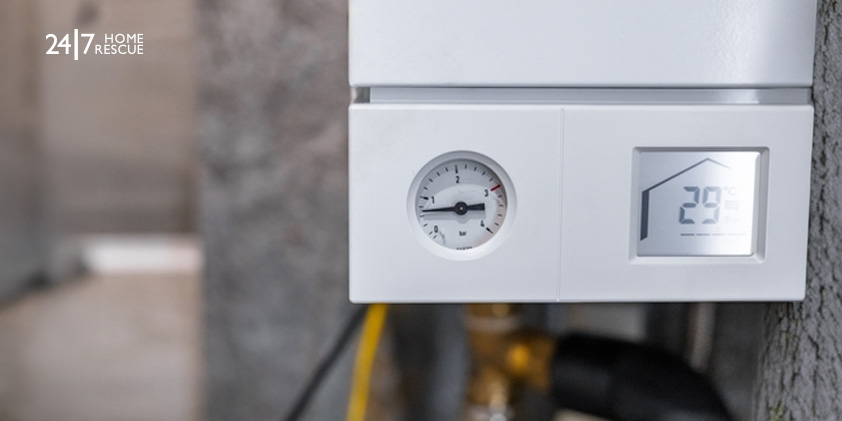
One of the most common reasons for the E9 fault code is. A low boiler pressure means that your Worcester boiler cannot circulate heat efficiently throughout the heating system. Boilers require a considerable amount of water pressure to circulate heat; therefore, when water pressure is low, hot water cannot properly circulate through the heat exchanger. This can cause no hot water problems in your central heating system.
This causes your boiler’s internal temperature to rise significantly. Then, as a safety measure, your boiler shuts down and displays the E9 fault code. It is important to note that in many homes, this pressure loss can result from small leaks, radiators that have recently been bled, or system maintenance.
You might need a professional inspection if the pressure drops keep happening. However, you can also solve this issue by filling up the pressure using a filling loop. If your pressure stays consistent afterwards, then the low boiler pressure issue is resolved.
Also, note that a Worcester boiler flashing blue light is linked to low boiler pressure.
Air Trapped in Pipework or Radiators
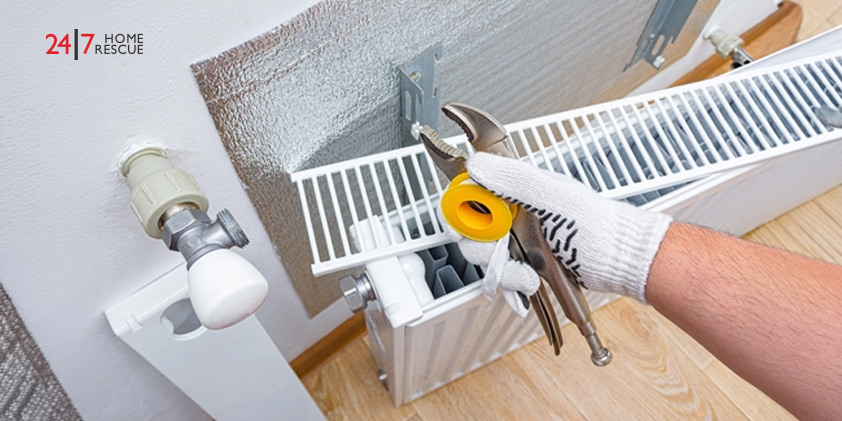
Water circulation is also affected by air pockets trapped in your heating system’s pipework or radiators. When air enters, it can block various parts of your boiler system. This results in cold spots on radiators and reduced heat transfer, leading to the boiler overheating and displaying the E9 error code. A good way to resolve this is by getting your radiators bled by a certified engineer, which releases trapped air and improves circulation.
Clogged Filters and Pipe Obstructions
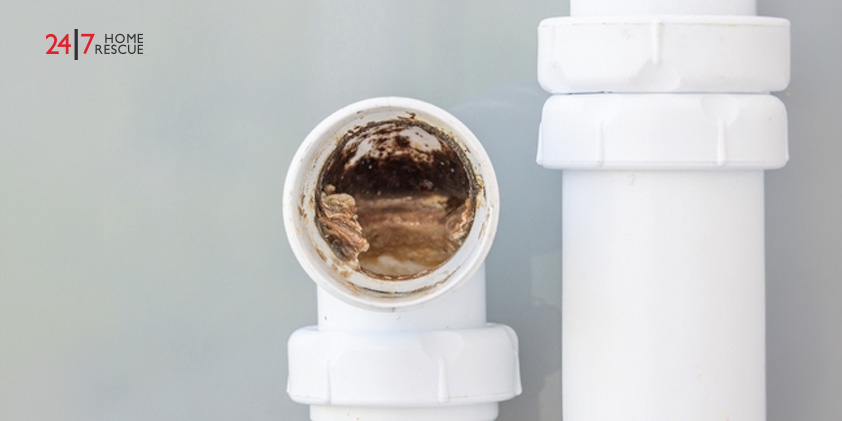
The E9 error occurs when your boiler system reaches a temperature significantly above its designated safety limit. This can happen due to partially closed valves, clogged filters, and even pipe obstructions. When water flows more slowly, heat remains in the boiler rather than being channelled throughout the system.
E9 Sensor Fault in Worcester Boilers
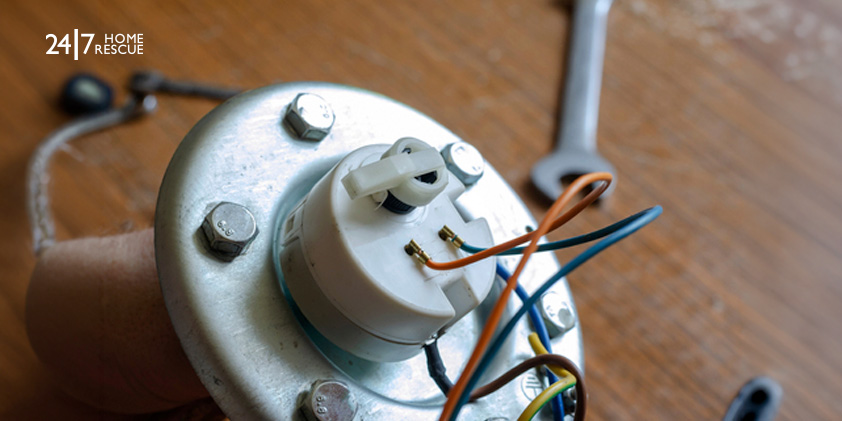
A Worcester boiler E9 sensor fault occurs when the sensor your boiler uses to monitor water movement malfunctions. This sensor tells the boiler whether water is circulating properly. If any abnormalities are detected in the water flow, the boiler may shut down to prevent the system from overheating.
It is important to note that sludge and debris can cause this issue in older systems, making the sensor inaccurate. Cleaning the component may help in some cases; however, replacing the sensor is recommended by a qualified engineer to prevent further issues.
Electrical and Wiring Issues
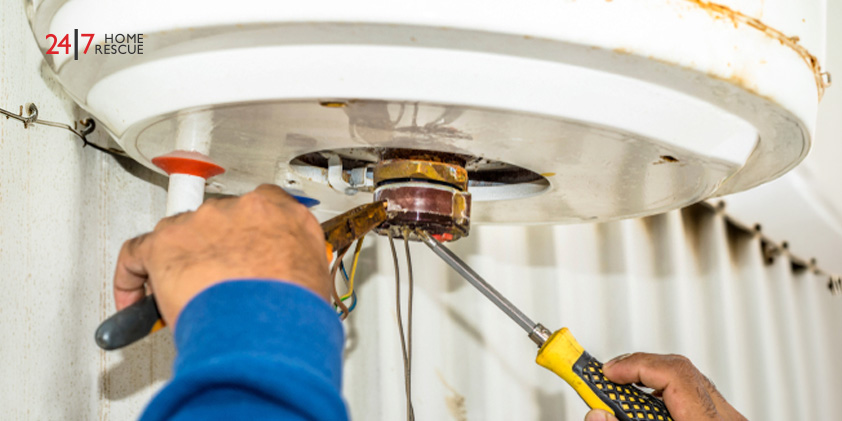
A damaged Printed Circuit Board (PCB) is important for any boiler to function properly. Without it, your boiler may show incorrect readings and possibly trigger the E9 error code. Moreover, temperature sensors inside your boiler continuously monitor internal temperatures to ensure safe operation. Malfunctioning of these sensors can cause your boiler to display an error code even if it is working properly. The best way to resolve this is to have it professionally repaired by a certified engineer.
Repair Costs For E9 Fault Code
| Component/Fault | Repair Cost | Details about the repair |
|---|---|---|
| Pump | £200-£350 | Pump testing, replacement, and system bleed |
| Heat Exchanger | £250-£500 | Chemical flush, cleaning or full replacement if required |
| NTC temperature sensor | £120-£200 | Sensor check, wiring check, sensor replacement if needed |
| Tripped Safety Temperature Limiter | £120-£250 | Reset, circulation check, pump/flow diagnosis |
| PCB fault | £200-£400 | PCB diagnostics, rewiring, replacement if needed |
| Airlock | £100-£180 | Bleeding system, pump adjustment |
| Low Water Pressure/ Pressure sensor fault | £100-£300 | Pressure sensor replacement/wiring check |
Note that these prices are average estimated costs and can vary depending on where you live in the UK.
Performing a Worcester Bosch Boiler Reset
After pressure adjustments and a recent radiator bleed, the problem may be temporary. In such scenarios, the Worcester Bosch E9 fault code might be resolved by pressing the reset button.
Your Worcester boiler’s reset button is located on the front of the control panel. If you’re unsure how to reset your Worcester Bosch boiler, hold the reset button for a few seconds until the boiler restarts and the reset is complete.
It is important to note that consistent resets without a proper diagnosis of the root cause aren’t recommended. If the E9 fault code on your Worcester bosch combi boiler is recurring, it most likely indicates a component failure. A professional inspection and repair, followed by an annual boiler service, will resolve this issue.

Boiler Service
Ensure your boiler runs efficiently and safely with our professional boiler servicing. Regular maintenance will save you money in the long run and potentially prevent breakdowns.
Can You Fix the E9 Error Code Yourself
When encountering an E9 error code on a Worcester boiler, some DIY fixes can be attempted if the person has a basic understanding of the boiler’s operation. It is safe to check the sensor regularly, as dirt can cause it to transmit inaccurate signals.
Furthermore, a frozen condensate pipe issue can also be attempted as a DIY fix. Just run warm water over the frozen pipe to thaw it and resolve the issue.
Additionally, the magnetic filter can be checked and cleaned promptly to ensure it is free of dirt or debris that could affect the boiler’s performance.
How to Fix the E9 Fault Code With the Help of an Engineer
While some problems can be better fixed with a DIY approach, others are better left to certified engineers.
When a problem is related to internal components of your Worcester boiler, like the heat exchanger or printed circuit board (PCB).
Additionally, a fault with your boiler pump is better handled by a certified professional.
Remember that when performing DIY work on a boiler, you must ensure you do not breach any safety regulations or warranty terms. If you’re in doubt, it is always better to contact a Gas Safe engineer to solve the issue.
Conclusion
In conclusion, the E9 fault code on your Worcester boiler or any other Worcester fault codes can be caused by issues with multiple components. Nevertheless, this issue should be addressed promptly, as it disrupts the proper operation of your boiler. As discussed, this issue can be caused by problems with your heat exchanger, boiler pump, or a damaged PCB.
To resolve these issues correctly, a professional inspection followed by parts replacement and boiler repair is recommended. DIY should only be approached with caution. Also, refrain from using your boiler further if the E9 fault code persists to avoid a severe breakdown.

Boiler Repair
Book your boiler repair service online and save time and effort. Our certified engineer will provide you with hassle-free assistance.
At 24|7 Home Rescue, we aim to keep our blogs accurate and helpful at the time of publication. However, details such as images, services, or product information may change. Content is for general information only and not professional advice. For the latest updates, please review our Terms & Conditions or contact us directly. 24|7 Home Rescue accepts no liability for actions based on outdated or incomplete content. Our team is always happy to help with any questions.
Recent Posts

Popular Posts
24 Mar, 2015


13 Apr, 2015