
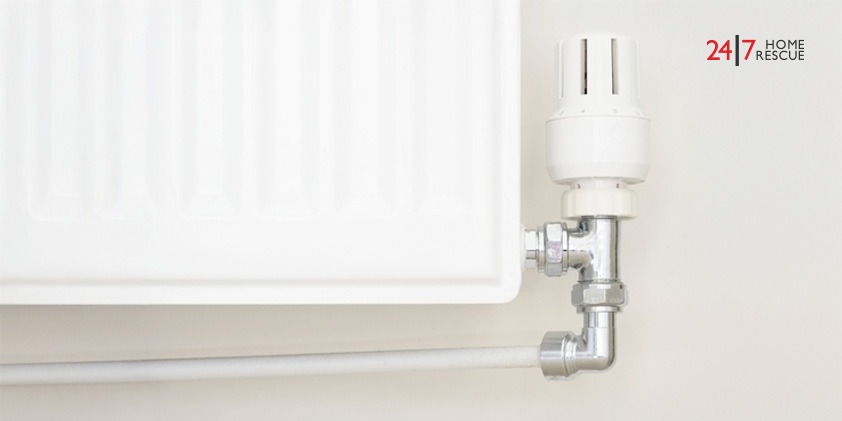
What is a Lockshield Radiator Valve?
A lockshield radiator valve is an important component of your central heating system. It plays a crucial role in heating up your radiators and ensuring that your boiler runs efficiently. Simply put, a lockshield valve is used to balance radiators. It is responsible to manage how much water flows through each radiator.
Key Takeaways
- The lockshield radiator valve is one of the two essential valves found in your boiler.
- Its function is to regulate and balance your central heating system.
- Only a Qualified heating engineer should adjust this lockshield radiator valve.
- Incorrect adjustments to this valve can cause an imbalance in your heating system.
- A leaking lockshield radiator valve is due to corrosion, a worn spindle seal or a loose gland nut.
What is the Function of a Lockshield Radiator Valve?
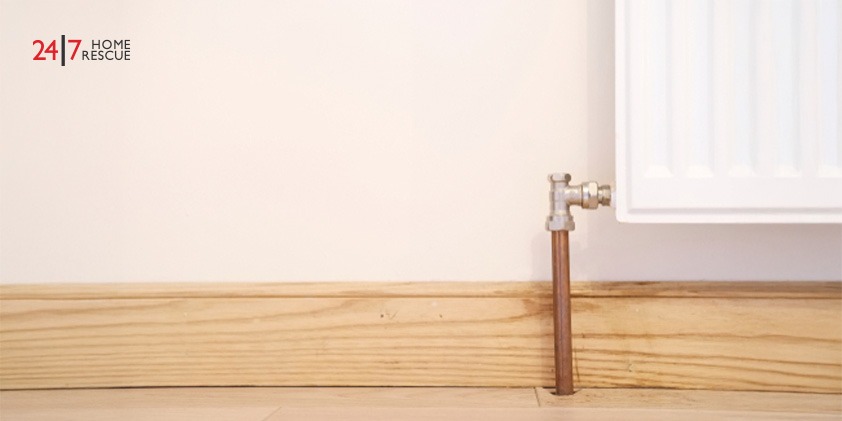
The primary function of a lockshield valve is to regulate and balance your central heating system. This balancing ensures that radiators near the boiler don’t take an excessive amount of hot water. Likewise, it ensures that radiators further away from the boiler receive enough heat.
If the lockshield radiator valves aren’t positioned correctly, you will notice that some radiators get hot quickly while others stay cold. Additionally, there will be uneven heating across different parts of your house.
Therefore, by correctly restricting and allowing water flow, lockshield valves distribute heat accurately throughout the system.
Where is the Lockshield Valve located?
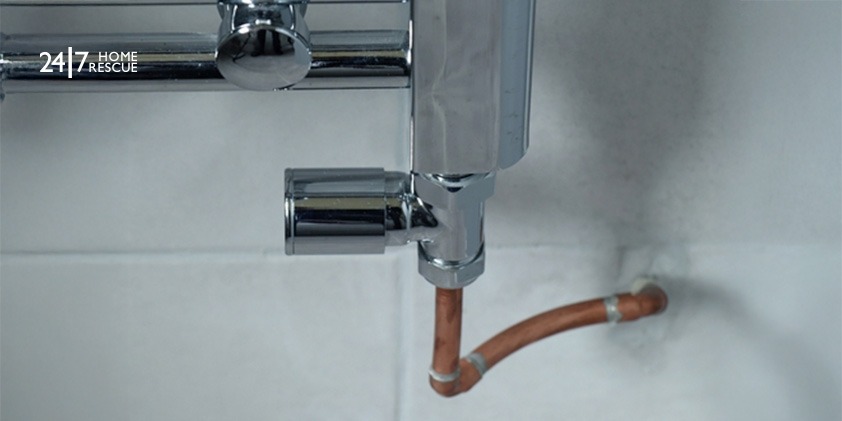
Your boiler’s radiator has two valves:
- Control Valve: Which is used by homeowners to adjust the room temperature
- Lockshield Valve: Which is used by engineers to regulate water flow
The lockshield valve is located on the opposite side of the radiator from the control valve. It can be distinguished by:
- A plain plastic cap
- It doesn’t have any temperature markings
Lockshield Radiator Valves Explained
The term lockshield is used to describe its function. It’s “locked” in its set position and “shielded” by a guard cap to prevent any misadjustment. After a heating engineer has balanced the system, the valve isn’t touched unless any major work is required, like:
- Installing a new boiler
- Replacing radiators
- Performing a power flush on the system
Lockshield Valve vs Thermostatic Radiator Valve
The function of radiator lockshield valves differs from that of thermostatic radiator valves:
| Feature | Lockshield Valve | Thermostatic Radiator Valve |
|---|---|---|
| Main Function | Balancing system | Controlling Room Temperature |
| User Adjustable | No | Yes |
| Has Temperature Settings | No | Yes |
| Adjusted during setup | Yes | No |
To summarise, the main function of a thermostatic radiator valve is to control temperature, while lockshield radiator valves control the efficiency of your boiler system.
Can You Adjust a Lockshield Valve Yourself?
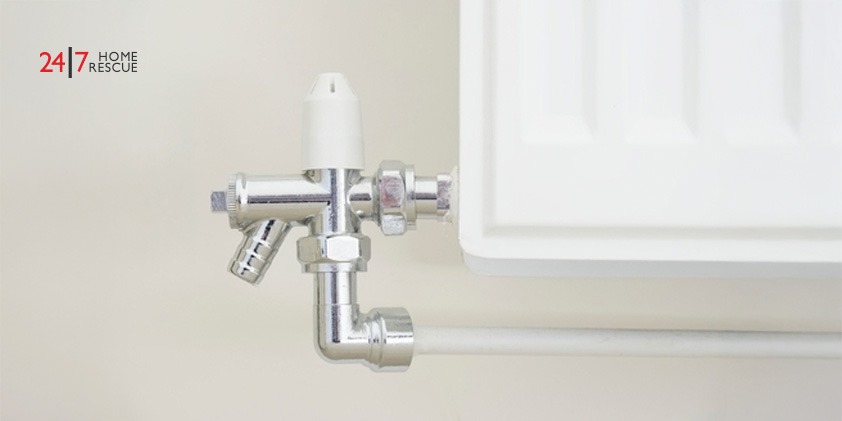
It is not recommended to adjust the lockshield valve yourself, but technically, it is possible if you understand radiator balancing.
For adjusting a lockshield valve, do the following:
- Remove its plastic cap
- Use an adjustable spanner
- Turn the valve slightly
Note that you should turn the valve only slightly, often by some fraction of a turn. This is because the lockshield valve is sensitive to change, and incorrect adjustment might:
- Make your rooms colder
- Increase boiler cycling
- Reduce your system’s efficiency
It is best recommended to contact a qualified heating engineer to adjust a lockshield radiator valve, especially in combi boilers.
Warning Signs a Lockshield Valve is Incorrectly Set
If your lockshield valve is incorrectly set. You might notice:
- Some radiators heat up quicker than others
- The boiler runs for an increased amount of time
- Radiators on your upper floor are cooler than downstairs
You might also notice these signs if you have recently replaced your boiler’s radiators. It is recommended that you have your radiators professionally balanced to improve your heating system’s performance.
What is the Correct Position of the Lockshield Valve
Homeowners are often confused about whether a lockshield valve should be opened or closed. Mostly in heating systems, the lockshield valve is neither fully open nor fully closed. It is set in a specific position to open partially and regulate water flow through your boiler’s radiators.
If your lockshield valve settings are left in the incorrect position for an extended period, it can cause unnecessary load on the boiler, eventually leading to boiler repair.
Is Your Lockshield Radiator Valve Leaking
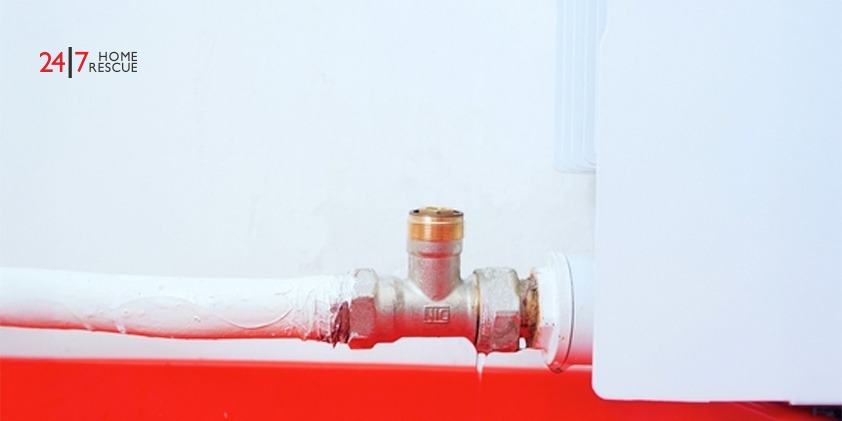
A leaking lockshield radiator valve is usually caused by a worn spindle seal, corrosion inside the valve, or a loose gland nut. These leaks often first appear as tiny drips and can be fixed by tightening the gland nut.
This is the work of a certified engineer. Also, fully opening the lockshield valve can cause a heating imbalance. Similarly, closing it completely will stop the radiator from warming up. An annual boiler service helps identify small leaks before they become a bigger problem. If these leaks are left untreated, they can cause irreversible damage.
Final Words
A lockshield radiator valve is a small component, but it plays a crucial role in keeping your system working perfectly. Even though it’s not something to be adjusted regularly, it’s essential that it’s adjusted accurately so your boiler heats your home evenly.
Even though a boiler protection cover can protect you during unexpected breakdowns, addressing small issues early with your lockshield valves can prevent major, expensive repairs.
At 24|7 Home Rescue, we aim to keep our blogs accurate and helpful at the time of publication. However, details such as images, services, or product information may change. Content is for general information only and not professional advice. For the latest updates, please review our Terms & Conditions or contact us directly. 24|7 Home Rescue accepts no liability for actions based on outdated or incomplete content. Our team is always happy to help with any questions.
Recent Posts
13 Feb, 2026
Popular Posts
24 Mar, 2015


13 Apr, 2015
Related Posts
How to Reset Ideal Logic Combi 30 Boil...
22 Dec, 2025
How to Reset a Worcester Bosch Boiler:...
01 Aug, 2025
Hive App Not Working: Resolving Thermo...
23 Jun, 2025
How To Increase Boiler Pressure
27 Sep, 2024
