
How to Free a Stuck Diverter Valve: A Complete Guide
The diverter valve is essential to ensure your heating system runs smoothly. However, it can get damaged from wear and tear. Homeowners will experience their boiler being less efficient when a diverter valve is stuck. Because a diverter valve directs water flow, a stuck diverter valve can cause improper switching between central heating and hot water, resulting in efficiency issues.
A stuck diverter valve problem is normally caused by limescale buildup, worn internal components and sludge in the system. As the diverter valve is inside the boiler, a stuck valve is not a DIY issue but rather a job for a Gas Safe engineer to resolve. Let’s discuss in detail what causes a stuck diverter valve and how to get it solved properly.
Key Takeaways
- A diverter valve is the main component a combi boiler uses to direct heated water
- Understanding how a diverter valves working is essential to know what causes it to get stick
- There are various symptoms that will be prevalent when a stuck diverter valve problem occurs
- A stuck diverter valve should only be repaired by a certified engineer
- Replacing your combi boiler might be the best option if a stuck diverter valve problem keeps occurring
Understanding a Stuck Diverter Valve
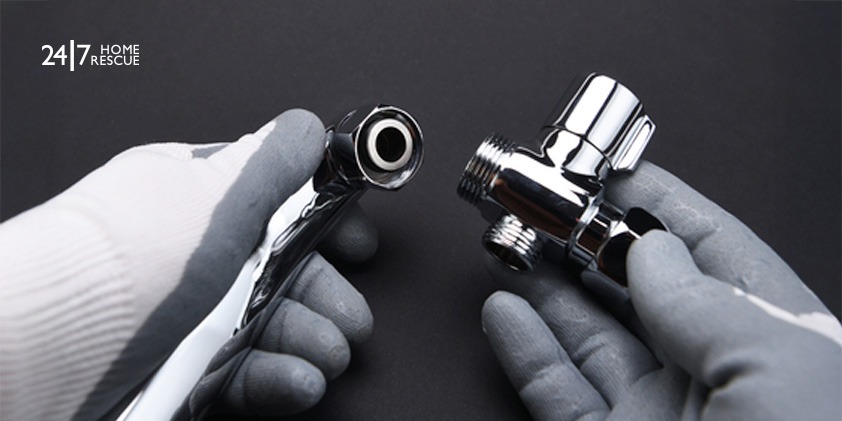
In a combi boiler, the diverter valve’s main function is to direct heated water to:
- The central heating system
- The domestic hot water supply, which includes taps and showers
In normal conditions, when you open a hot tap, the diverter valve should automatically allow hot water to flow to that tap. But when a diverter valve is stuck, it cannot move freely. This prevents the boiler from prioritising hot water because the diverter valve cannot divert it. As a result, the diverter valve cannot accurately meet the hot water demand.
How Does a Diverter Valve Work
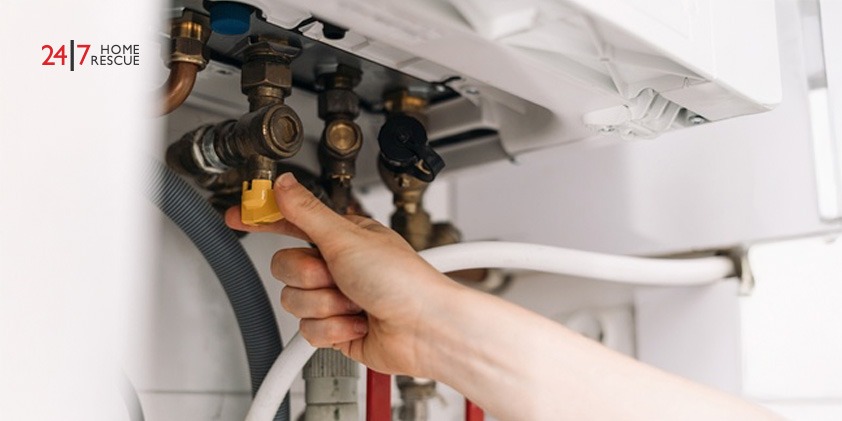
Diverter valves are only present in a combi boiler because it heats water on demand. Other types of boilers don’t require a diverter valve because they store water in a cylinder. The function of a diverter valve is like that of a showerhead: to direct the flow of hot water to where it is needed.
In central heating systems, the diverter valve opens to allow heat to reach the radiators. When there is a demand for hot water in the tap or shower, the valve will close. If you’re not using the taps or showerheads, the diverter valve will remain open.
Common Symptoms of a Stuck Diverter Valve
Homeowners experiencing a stuck diverter valve will often notice:
- No hot water from taps, but radiators are heating up fine
- Hot water might be present at the start, but it turns cold quickly
- Radiators are warm when a hot water tap is running
- Inconsistencies in water temperature at taps and showers
- Boiler fires up numerous times but fails to provide hot water
- Clicking and humming sounds from inside the boiler
Reasons a Diverter Valve Gets Stuck
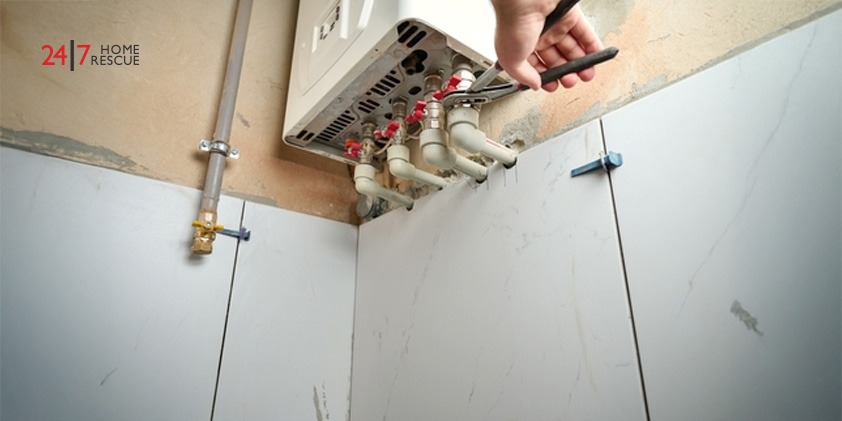
A diverter valve can get stuck due to the number of times it operates each day. Moreover, constant exposure to heat and water impurities is a common cause of this. Over time, these issues lead to wear and tear, which can cause a stuck diverter valve.
Apart from this, the following are some other common causes:
Sludge and Debris
This is more prevalent in older boiler models. Sludge and debris can clog your diverter valve, causing it to get stuck.
Mechanical Failure
Diverter valves have small internal motors and spindles. They can seize over time, causing a mechanical failure.
Worn or Damaged Seals
There are rubber diaphragms and O-rings inside the valve that can swell, split, and degrade, causing the valve to jam in one position.
Limescale Formation
Calcium deposits from water can form inside the valve body. This prevents it from functioning properly, resulting in inefficiencies in water distribution.
Why You Shouldn’t Attempt a DIY Fix
Trying to fix a stuck diverter valve yourself is not recommended. Your combi boiler involves gas and electrical components, both of which should be handled safely. Performing an incorrect repair poses safety risks and can cause further mechanical problems or safety hazards, such as gas leaks or electrical faults.
Furthermore, DIY fixes can also void warranties or violate safety regulations. For instance, you might end up using the wrong tools, or your repair method might damage the valve of another important boiler component, leading to costly repairs. It is recommended to have your boiler serviced regularly or to invest in a boiler cover for ongoing protection.
A stuck diverter valve is best left to qualified professionals.
Boiler Insurance You Can Trust
Get boiler breakdown and landlord cover including free annual boiler service.
Choose your policy type
How to Fix a Stuck Diverter Valve
A DIY approach cannot verify whether your diverter valve is stuck. You must hire a Gas Safe Register engineer to diagnose it.
If it is diagnosed and a combi boiler diverter valve is stuck, then a qualified engineer will take care of fixing it.
Here’s what a Gas Safe Engineer will do:
- Run tests to diagnose if the diverter valve is faulty
- If there aren’t any visible faults with your diverter valve and it’s only stuck, a regular boiler service will be performed by the engineer to get it working again
- If, however, cleaning the valve doesn’t fix the issue, the valve will need to be replaced
How to Prevent Diverter Valve Problems
The reason why the diverter valve gets stuck is they are working consistently inside combi boilers. Their main task is to switch the flow of hot water between the central heating and the domestic hot water. However, the moving parts involved are vulnerable to sludge, debris, wear and tear. There are some preventive measures you can take to prevent any stuck diverter valve problems.
Installing a Magnetic Filter
An effective way to separate the sludge and metal particles from your boiler system is a magnetic filter. Over time, radiators and pipework produce sludge from rust and metal particles. When this circulates through your boiler system, it can cause damage or even clog internal components.
A magnetic filter can capture these particles before they travel to the sensitive parts of your boiler. This keeps the water clean and minimises wear on moving parts. Also, when this magnetic filter is cleaned during an annual boiler service, it continues to work flawlessly.

Boiler Service
Ensure your boiler runs efficiently and safely with our professional boiler servicing. Regular maintenance will save you money in the long run and potentially prevent breakdowns.
Perform a System Flush
Sludge can build up in older boilers. For this, a professional system flush is recommended to remove debris and rust from your boiler. Cleaner water is moved through the diverter valve more smoothly and minimises blockages if any. Additionally, a system flush is recommended if your radiators are inefficient in heating or if there are recurring boiler faults.
Occasionally Running the Heating During Summer
Many households during the summer don’t use the central heating system at all. Leaving the system unused for extended periods of time. This can cause the diverter valve to stick due to inactivity. It is recommended to run your heating system for 10-15 minutes every few weeks to keep the valves and pump moving. So, when winter arrives, your heating system is in fine condition.
When to Buy a New Boiler
While a central heating diverter valve stuck issue can be resolved, there are instances where a new boiler is the only solution. This usually happens with an old boiler. Check whether boiler problems recur and whether new issues arise. Purchasing a new boiler might be the best option if these keep happening.
Conclusion
A stuck diverter valve requires professional boiler repair and is best handled by a certified engineer. There are various reasons a diverter valve may stick, such as debris, corrosion, or limescale buildup. If this issue persists, you might notice no hot water or hot water going cold after a while. It isn’t recommended to attempt a DIY fix because there are potential safety risks.

Boiler Repair
Book your boiler repair service online and save time and effort. Our certified engineer will provide you with hassle-free assistance.
At 24|7 Home Rescue, we aim to keep our blogs accurate and helpful at the time of publication. However, details such as images, services, or product information may change. Content is for general information only and not professional advice. For the latest updates, please review our Terms & Conditions or contact us directly. 24|7 Home Rescue accepts no liability for actions based on outdated or incomplete content. Our team is always happy to help with any questions.
Recent Posts
02 Mar, 2026
Popular Posts

24 Mar, 2015


13 Apr, 2015
Related Posts
What is a Lockshield Radiator Valve?
17 Feb, 2026
How to Reset Ideal Logic Combi 30 Boil...
22 Dec, 2025
How to Reset a Worcester Bosch Boiler:...
01 Aug, 2025
Hive App Not Working: Resolving Thermo...
23 Jun, 2025
How To Increase Boiler Pressure
27 Sep, 2024