A Comprehensive Guide to Understanding Glow Worm Boiler Pressure: Common Issues and Effective Solutions
Maintaining the correct pressure in your Glow Worm boiler is crucial for its efficient operation. When the pressure isn’t within the recommended range, it can lead to various issues, from inconsistent hot water temperatures to complete heating shutdown. Pressure-related problems are among the most frequent challenges homeowners encounter with Glow Worm boilers. Some homeowners choose boiler cover to help manage unexpected faults, depending on their individual circumstances. Luckily, many of these issues are straightforward to resolve if you understand how the system works.
In this detailed guide, we will explain the ideal pressure range for your Glow Worm boiler, how to accurately check this pressure, and the steps to take if you find that your boiler’s pressure is either too high or too low.
What Should the Glow Worm Boiler Pressure Be?
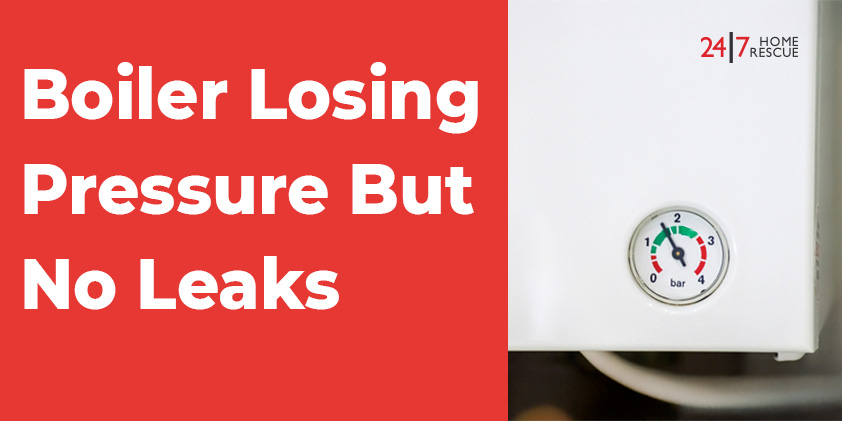
The optimal operating pressure for a Glow Worm boiler is typically between 1.0 and 1.5 bar when the system is cold. When the heating system is activated, it’s normal for the pressure to increase slightly, often reaching levels between 1.8 and 2.0 bar.
However, if the gauge indicates pressure above 2.5 bar, it signals that the pressure is too high and needs immediate attention. Conversely, if the pressure dips below 1.0 bar, this indicates low water levels in the system, necessitating a repressurisation process.
How to Check Pressure on a Glow Worm Boiler
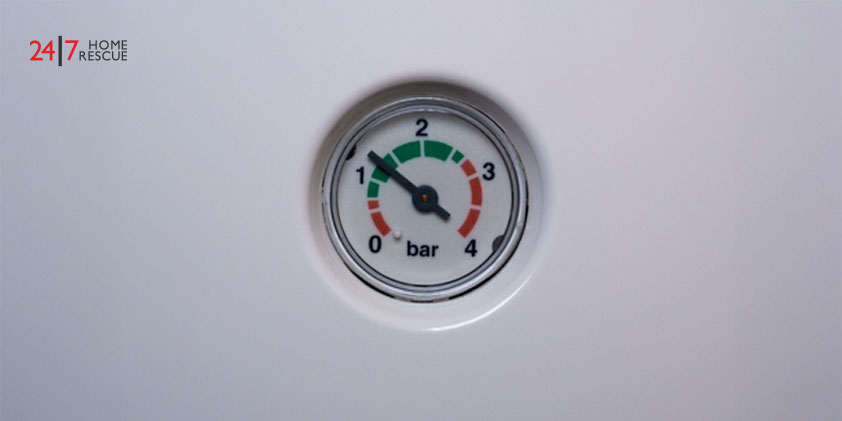
Checking the pressure on your Glow Worm boiler is a straightforward procedure:
- Locate the Pressure Gauge: This is typically found on the front of your boiler’s control panel. It is usually a dial display that indicates the current pressure level.
- Read the Dial: Observe the needle on the gauge. It should rest comfortably within the green zone, ideally between 1.0 and 1.5 bar**.
- Monitor During Operation: When the heating is active, the pressure may rise slightly but should remain below 2.5 bar. If the display begins to flash or the needle enters the red zone, this indicates a pressure fault that needs to be addressed immediately.
What to Do If Your Glow Worm Boiler Pressure Is Too Low
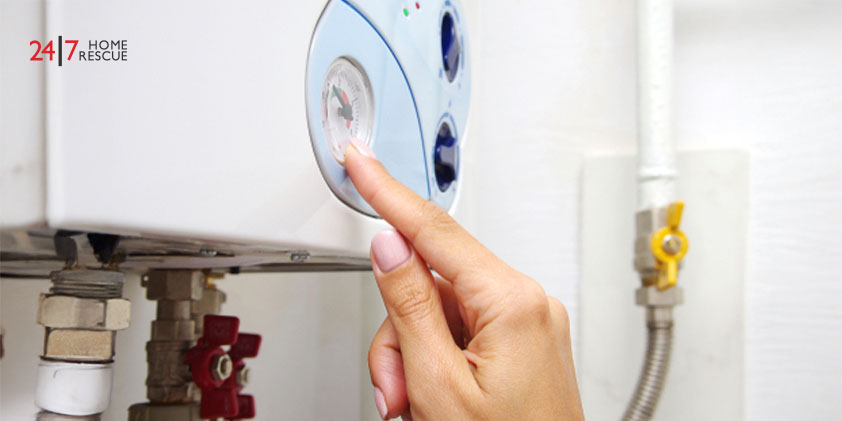
Experiencing low boiler pressure is often indicative of insufficient water within the heating system. This situation can occur after tasks such as bleeding radiators or due to unnoticed small leaks in the system.
When the pressure is too low, you might notice several critical symptoms, including:
- Your boiler may stop providing hot water.
- A flashing pressure warning light may appear on the display.
- You might see error codes, such as F22 or F75, on specific Glow Worm models.
Read more: List of Glow Worm Boiler Fault Codes and Error Codes
How to Repressurise Your Glow Worm Boiler
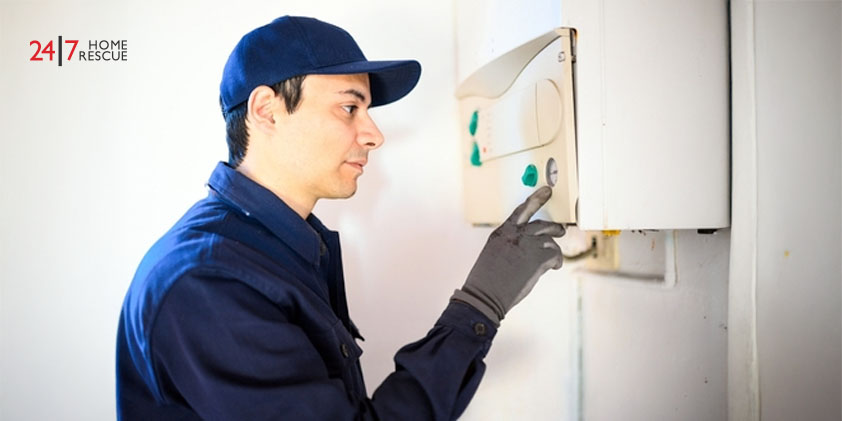
If you find that the boiler pressure is too low, you will need to repressurise the system. Here’s a detailed process to follow:
- Turn off the Boiler: Ensure the boiler is powered off and allow it to cool before proceeding to avoid any risk of burns.
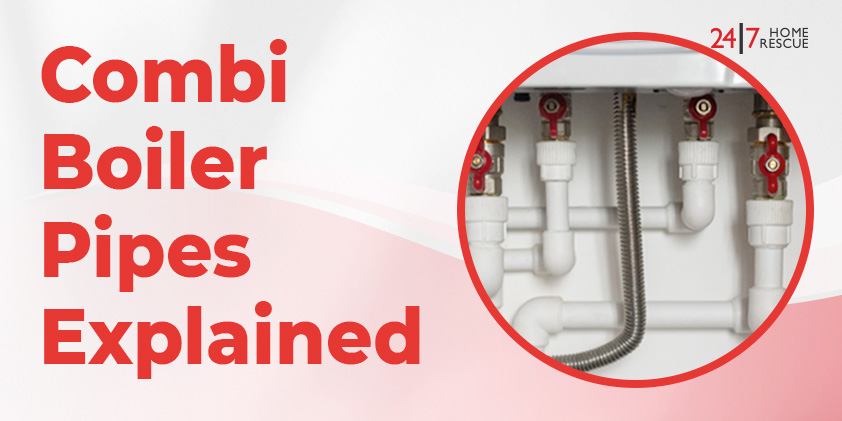
- Locate the Filling Loop: This is usually a silver or braided hose situated beneath your boiler, featuring two black or blue handles.
- Open Both Valves Slowly: Gradually turn both valves to allow water to flow into the system. You should hear a faint sound of water entering.
- Monitor the Pressure Gauge: Keep an eye on the gauge as the pressure increases. Aim for a reading between 1.2 and 1.5 bar.
- Close the Valves: Once you have reached the desired pressure level, ensure that both valves are closed tightly to prevent any leaks.
- Restart the Boiler: Turn your boiler back on and check that it operates normally.
Tip: Always repressurise gradually to avoid overshooting the pressure level, which can lead to additional complications.
What to Do If Your Glow Worm Boiler Pressure Is Too High
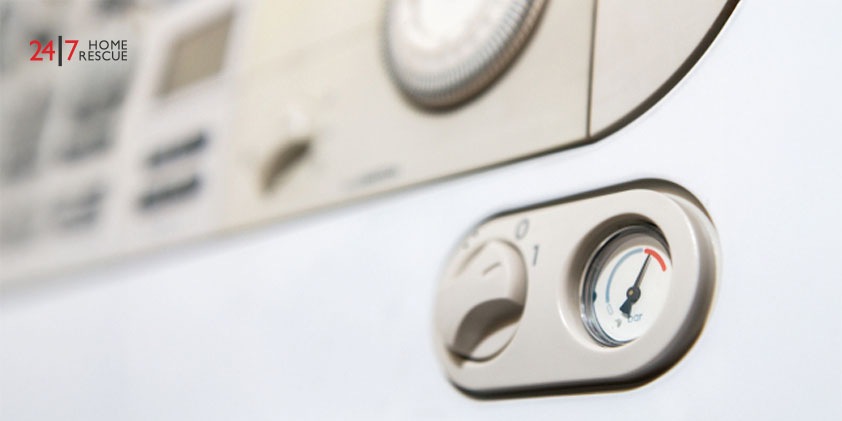
Excessively high boiler pressure can often be caused by overfilling the system or a malfunctioning pressure relief valve. If the pressure exceeds the normal range, consider the following steps to reduce it:
- Bleed a Radiator: Use a radiator key to open a bleed valve on a radiator. This will release some water and consequently lower the pressure. Aim to reduce it to around **1.5 bar**.
- Seek Professional Help: If bleeding a radiator does not resolve the issue, it may indicate a more serious problem, such as a faulty expansion vessel or relief valve. Contact a Gas Safe registered engineer for professional assistance.
Ignoring high pressure can lead to several issues, including water leaks, boiler lockouts, or significant long-term damage to internal components.

Boiler Repair
Book your boiler repair service online and save time and effort. Our certified engineer will provide you with hassle-free assistance.
What Does a Flashing Pressure Gauge Mean?
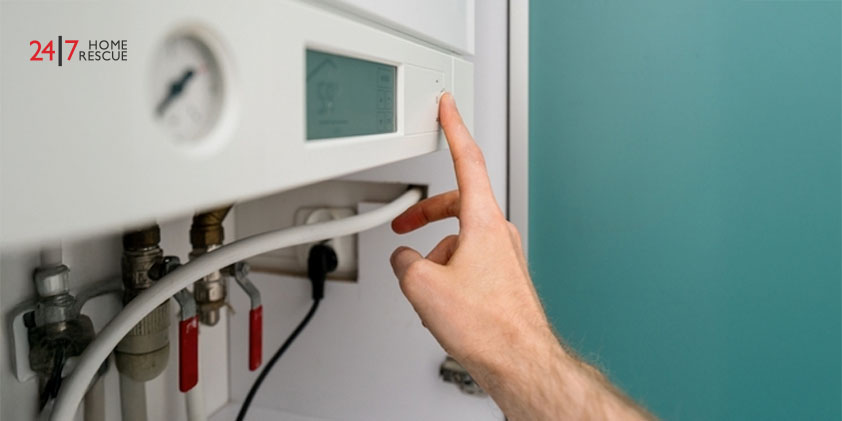
If you notice that the pressure light or reading on your Glow Worm boiler is flashing, it’s a critical warning signal that should not be ignored.
- Flashing Low Pressure: This indicates that the system requires repressurising.
- Flashing High Pressure: This suggests that the system may need venting or could require further inspection of its components.
Address flashing indicators promptly to prevent further complications and ensure your boiler continues to operate efficiently.
What Causes Boiler Pressure to Fluctuate?
Some fluctuations in boiler pressure, particularly in relation to the heating cycle, are generally normal. However, if you experience constant changes or rapid drops, it can indicate one of the following issues:
- A small leak in your heating circuit that needs to be addressed.
- A failing pressure relief valve that might require replacement.
- Air trapped in the radiators, which can usually be removed by bleeding.
- An overfilled expansion tank that needs to be serviced.
If your boiler consistently loses pressure even after you repressurise it, it is advisable to consult a qualified professional to diagnose and resolve the underlying issue.
When to Call an Engineer
You should always consider professional assistance if:
- The pressure continually drops even after you have topped up the system.
- You observe visible water leaking around the boiler area.
- You hear unusual gurgling or banging noises coming from the system.
- The pressure gauge consistently flashes red.
A certified engineer can thoroughly inspect your system for leaks, replace any faulty components, and ensure that your boiler operates safely and efficiently.

Boiler Service
Ensure your boiler runs efficiently and safely with our professional boiler servicing. Regular maintenance will save you money in the long run and potentially prevent breakdowns.
Conclusion
Maintaining the correct pressure in your Glow Worm boiler is essential for ensuring not only comfort within your home but also energy efficiency. By regularly checking your pressure gauge and understanding how to repressurise your boiler, you can address minor issues independently and avoid incurring significant repair costs.
If you find yourself uncertain about any aspect of your Glow Worm boiler’s operation, especially concerning high pressure or flashing indicators, don’t hesitate to reach out to a qualified engineer. Timely intervention can keep your heating system functioning smoothly and extend the lifespan of your boiler.
Boiler Insurance You Can Trust
Get boiler breakdown and landlord cover including free annual boiler service.
Choose your policy type
At 24|7 Home Rescue, we aim to keep our blogs accurate and helpful at the time of publication. However, details such as images, services, or product information may change. Content is for general information only and not professional advice. For the latest updates, please review our Terms & Conditions or contact us directly. 24|7 Home Rescue accepts no liability for actions based on outdated or incomplete content. Our team is always happy to help with any questions.
Recent Posts

Popular Posts
24 Mar, 2015


13 Apr, 2015